

Ideas, craft, and process.
Thinking out loud on IT strategy, cloud architecture, security, and building software that scales.
All posts

How to Connect Google Stitch MCP Server to Cursor and Other AI Editors
Learn how to bridge Google Stitch's AI design context with Cursor IDE using Model Context Protocol (MCP)—plus how to adapt the same configuration for VS Code, Claude Desktop, and Claude Code.
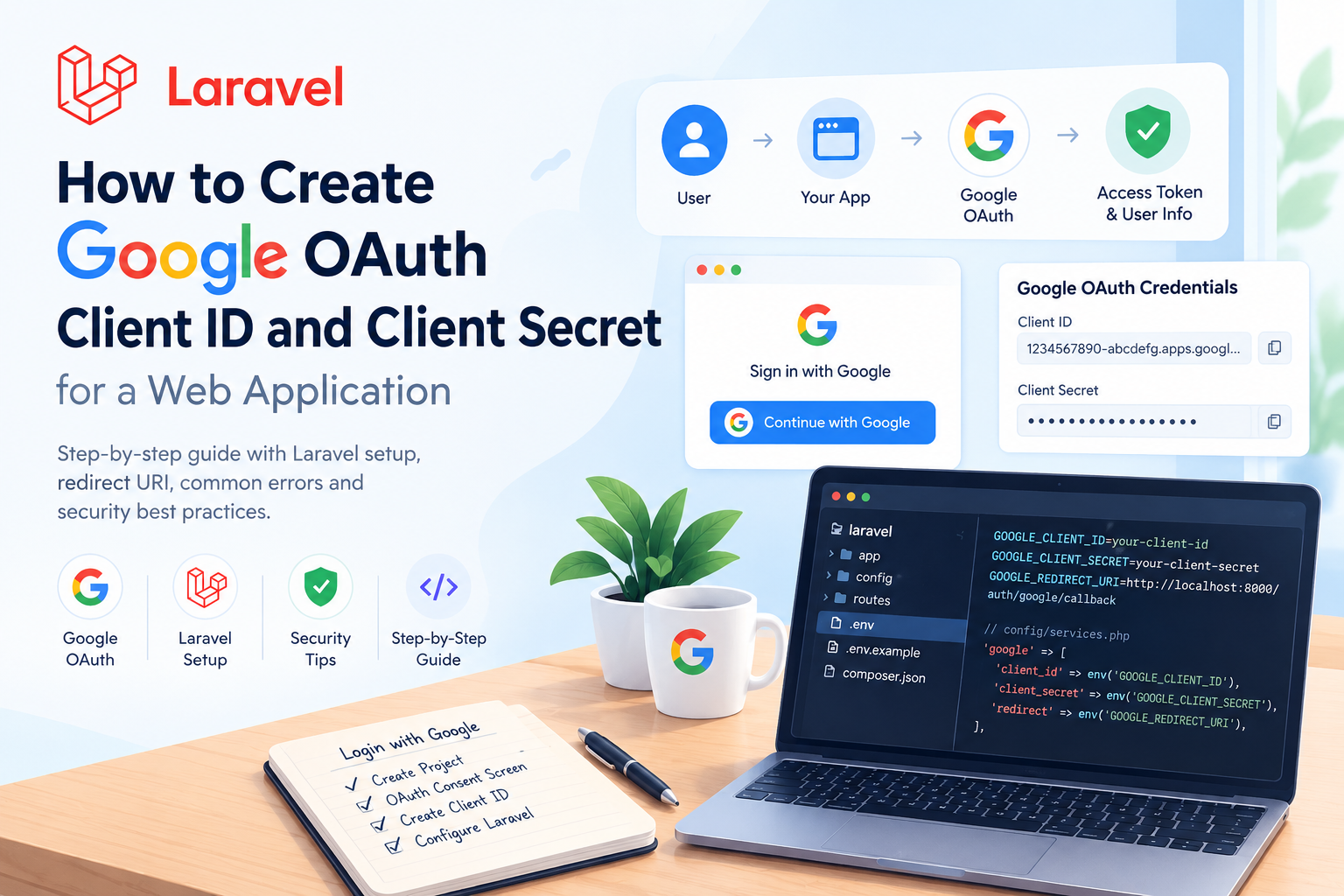
How to Create Google OAuth Client ID and Client Secret for a Web Application
Learn how to create a **Google OAuth Client ID and Client Secret** for a web application and configure them in Laravel. This practical guide covers OAuth setup, redirect URIs, Laravel environment configuration, common errors, and essential security practices for implementing **Login with Google**.
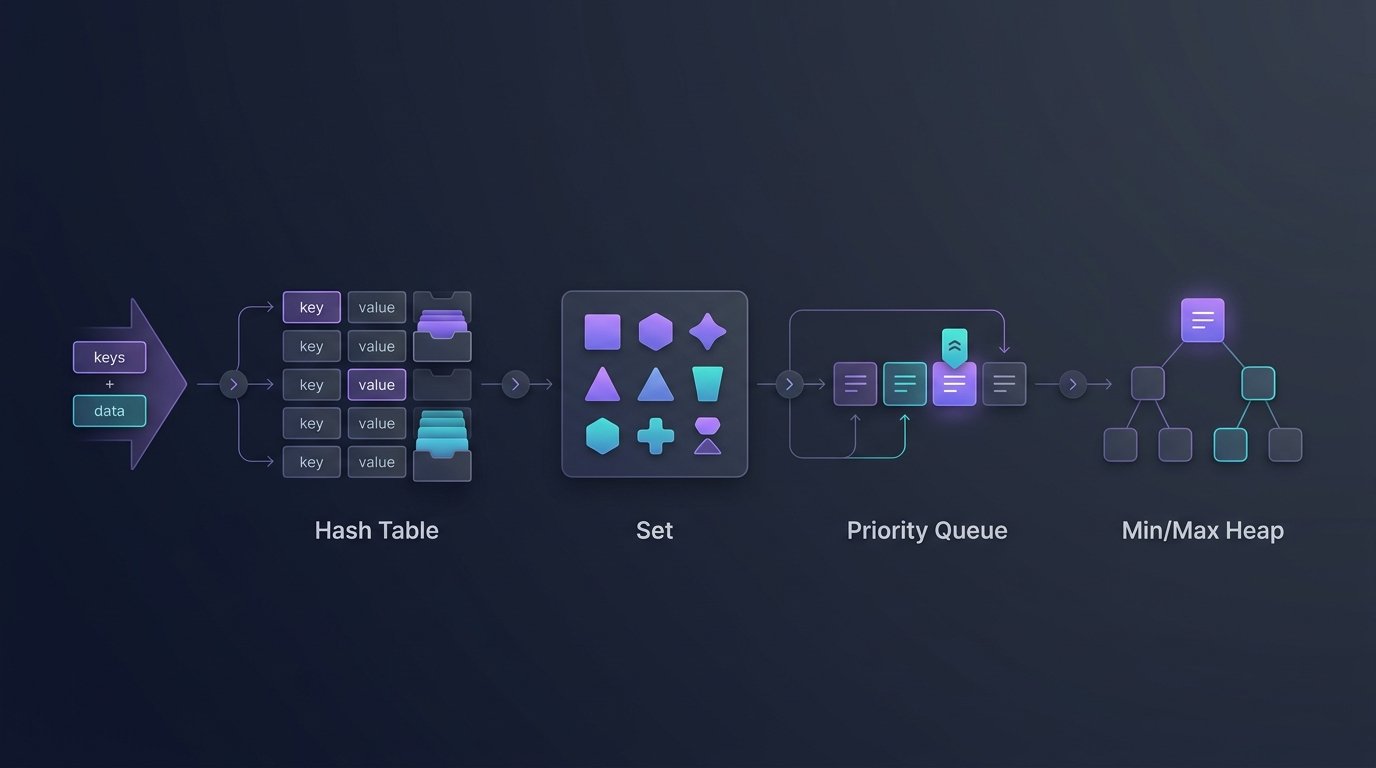
Data Structures and Algorithms: A Beginner's Journey — Part 2
Sometimes storing data isn't the real challenge — finding the right item quickly is. Discover how hash tables, sets, priority queues, and heaps help programs look up, filter, and prioritize information efficiently.
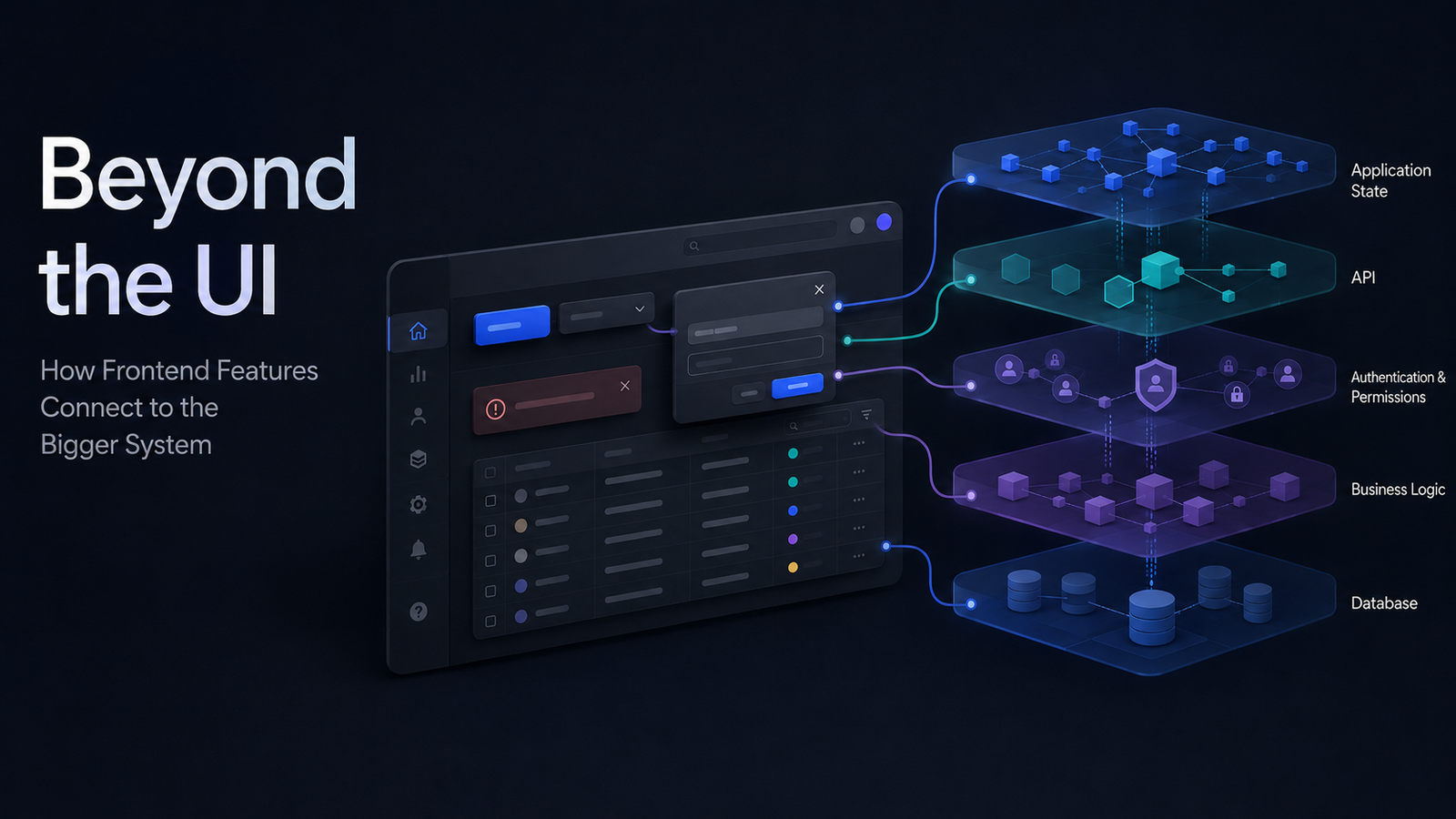
Beyond the UI: How Frontend Features Connect to the Bigger System
Buttons, tables, dropdowns, and modals may look like isolated UI elements, but each can depend on APIs, permissions, state, validation, and backend workflows. Here’s how everyday frontend features fit into the larger application.
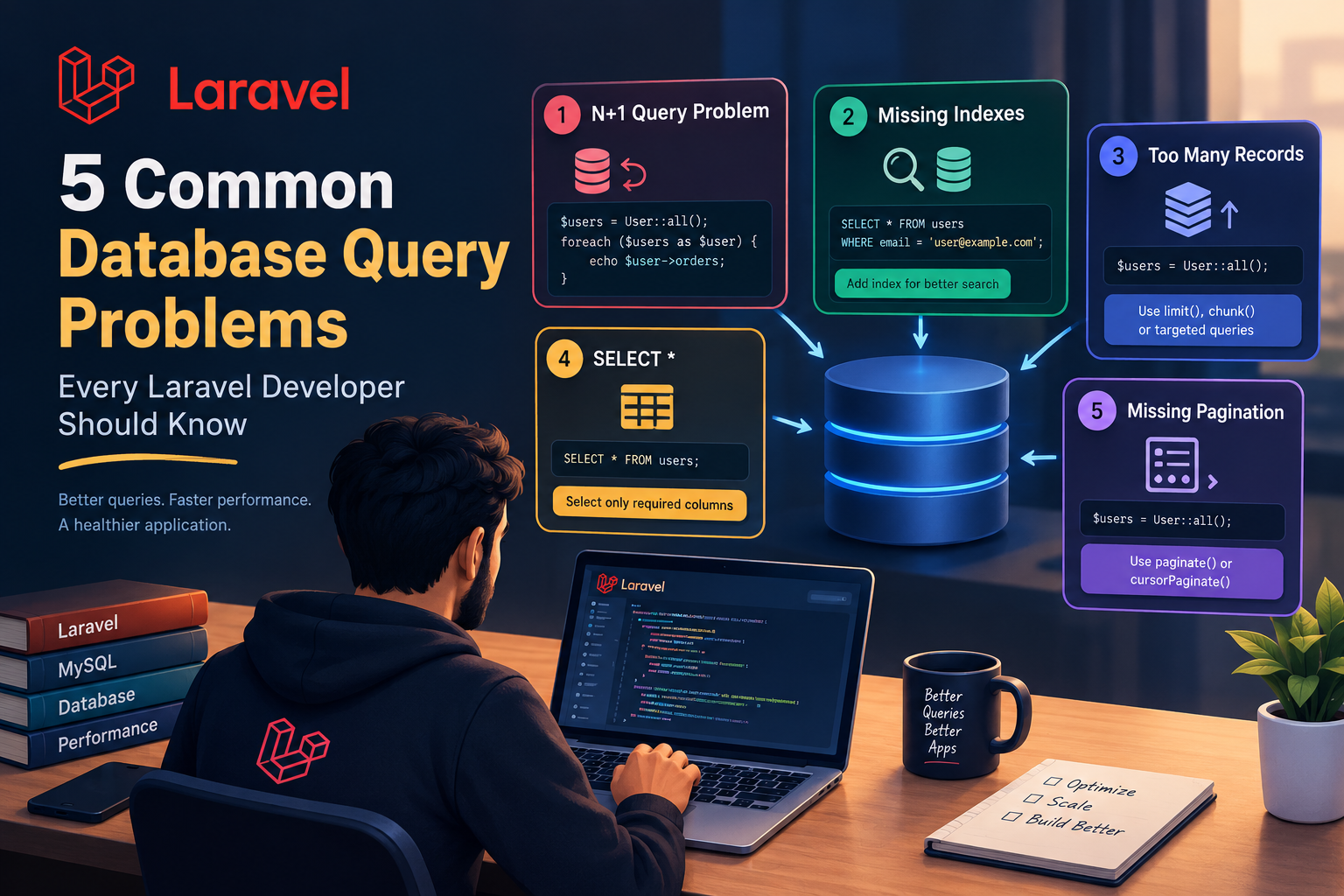
5 Common Database Query Problems Every Laravel Developer Should Know
A database query may look simple in code but can become a serious performance problem as your application and data grow.
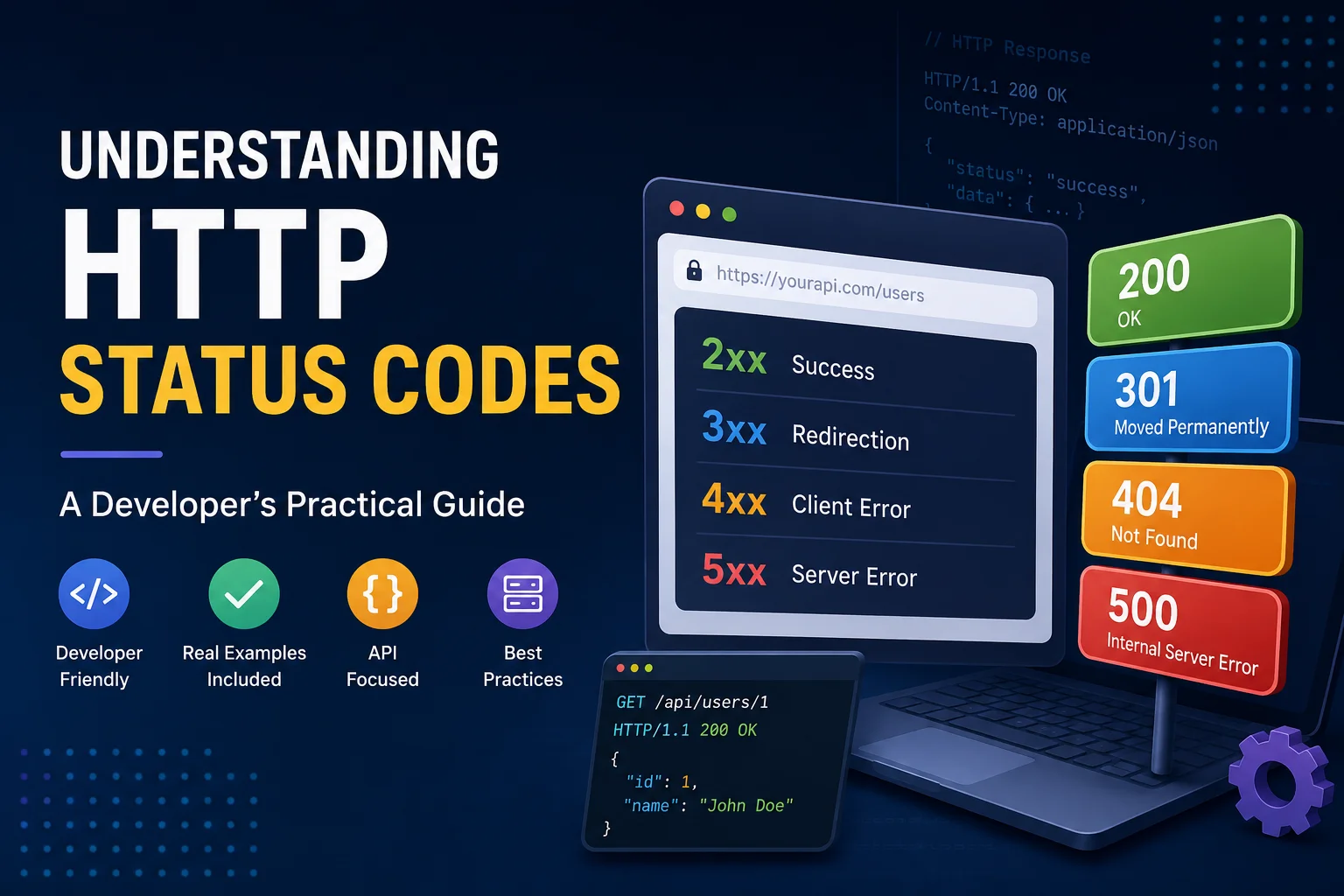
Understanding HTTP Status Codes: A Developer's Practical Guide
HTTP status codes are an essential part of web development and API communication. They tell clients whether a request was successful, redirected, invalid, unauthorised, or failed on the server. This practical guide explains the most commonly used HTTP status codes with real-world examples, including how to use them correctly in APIs and Laravel applications.
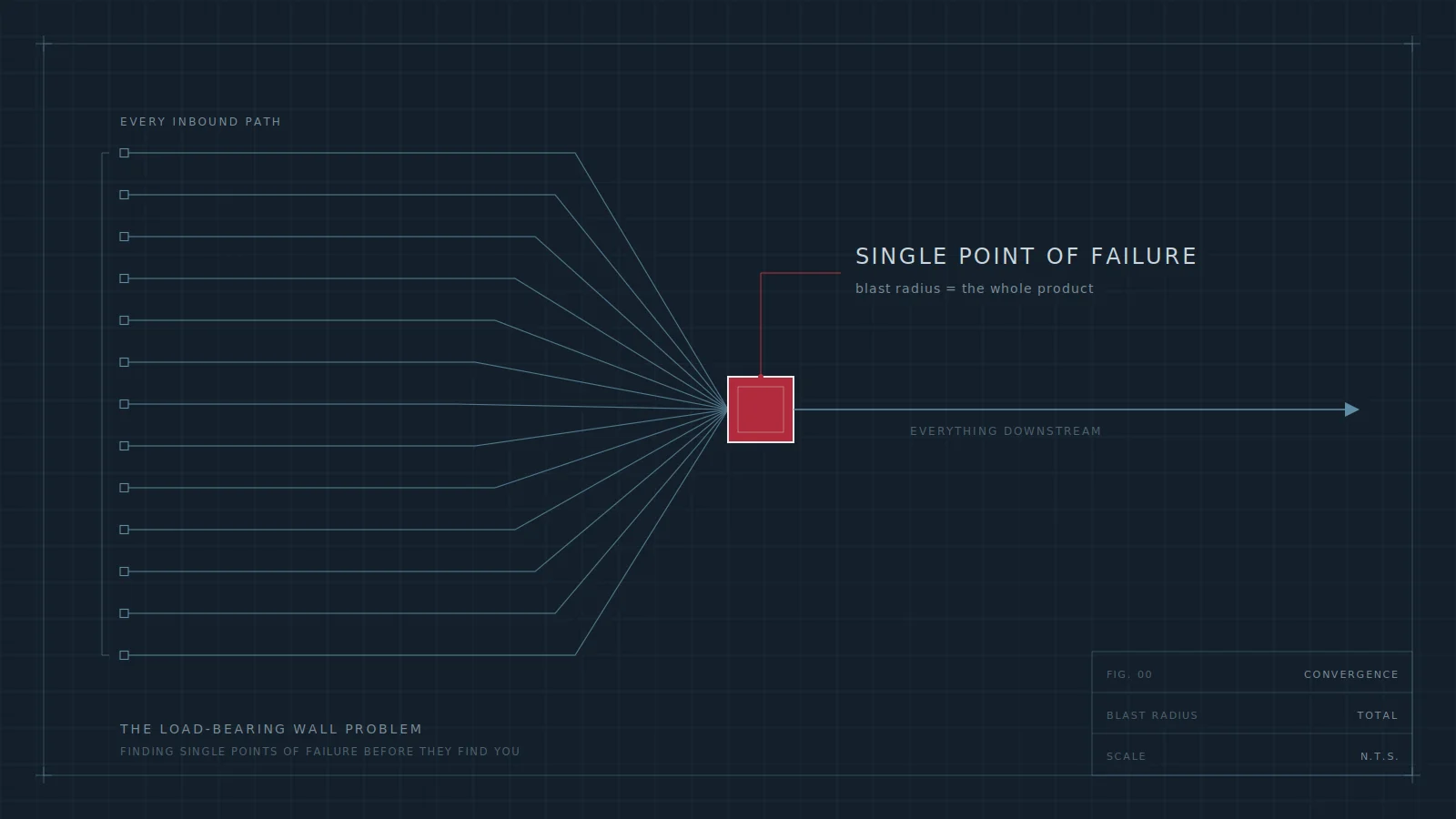
The Load-Bearing Wall Problem
How to find the single points of failure in your system, and what to actually do about each one.
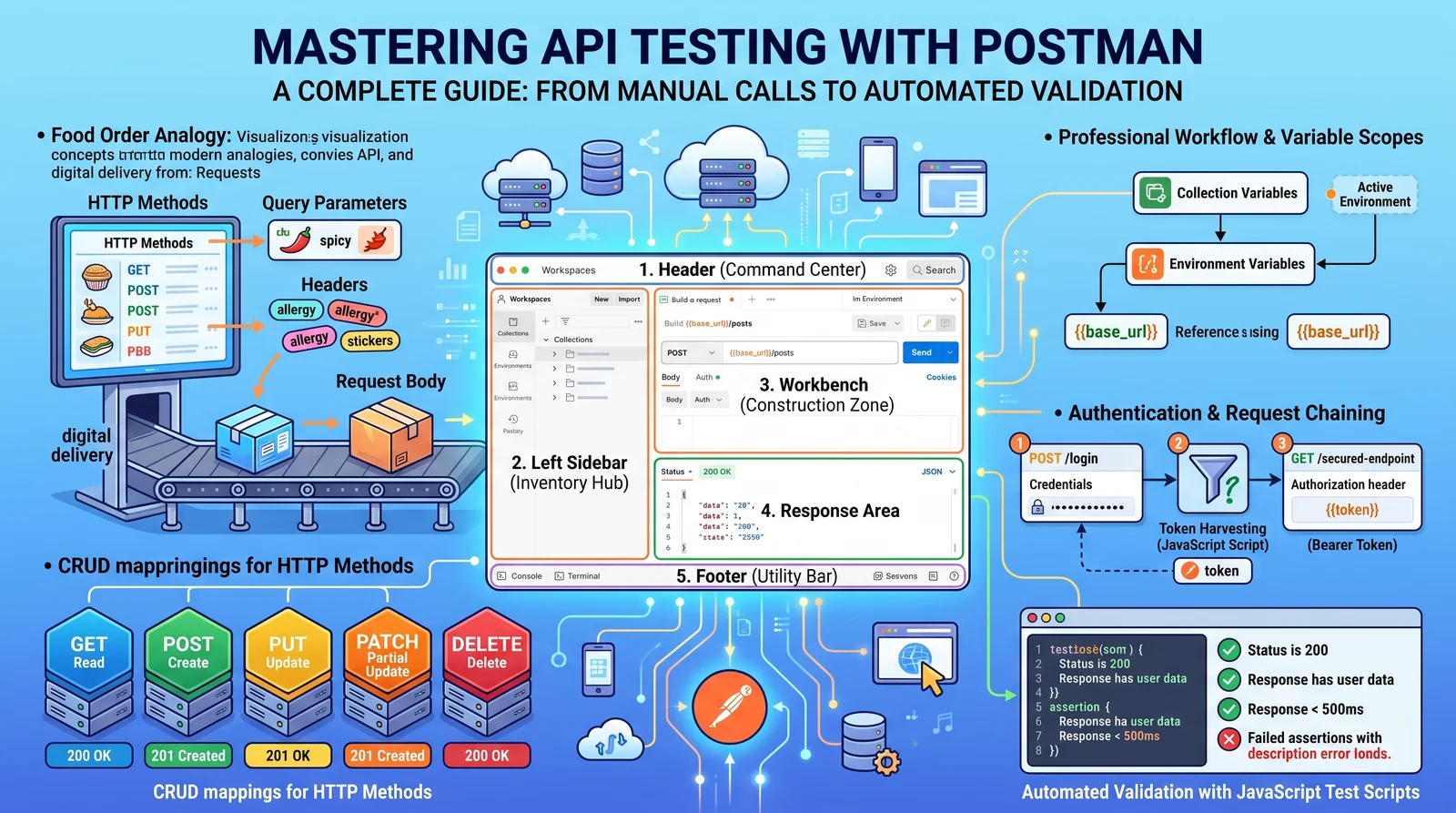
The Ultimate Guide to Postman: From First Request to Automated API Pipelines
In modern software systems, components rarely operate in absolute isolation. They continuously exchange data, trigger events, and coordinate processes behind the scenes. This digital conversation is facilitated by APIs (Application Programming Interfaces), which serve as the secure, structured bridges between clients (such as mobile apps or web browsers) and backend servers.
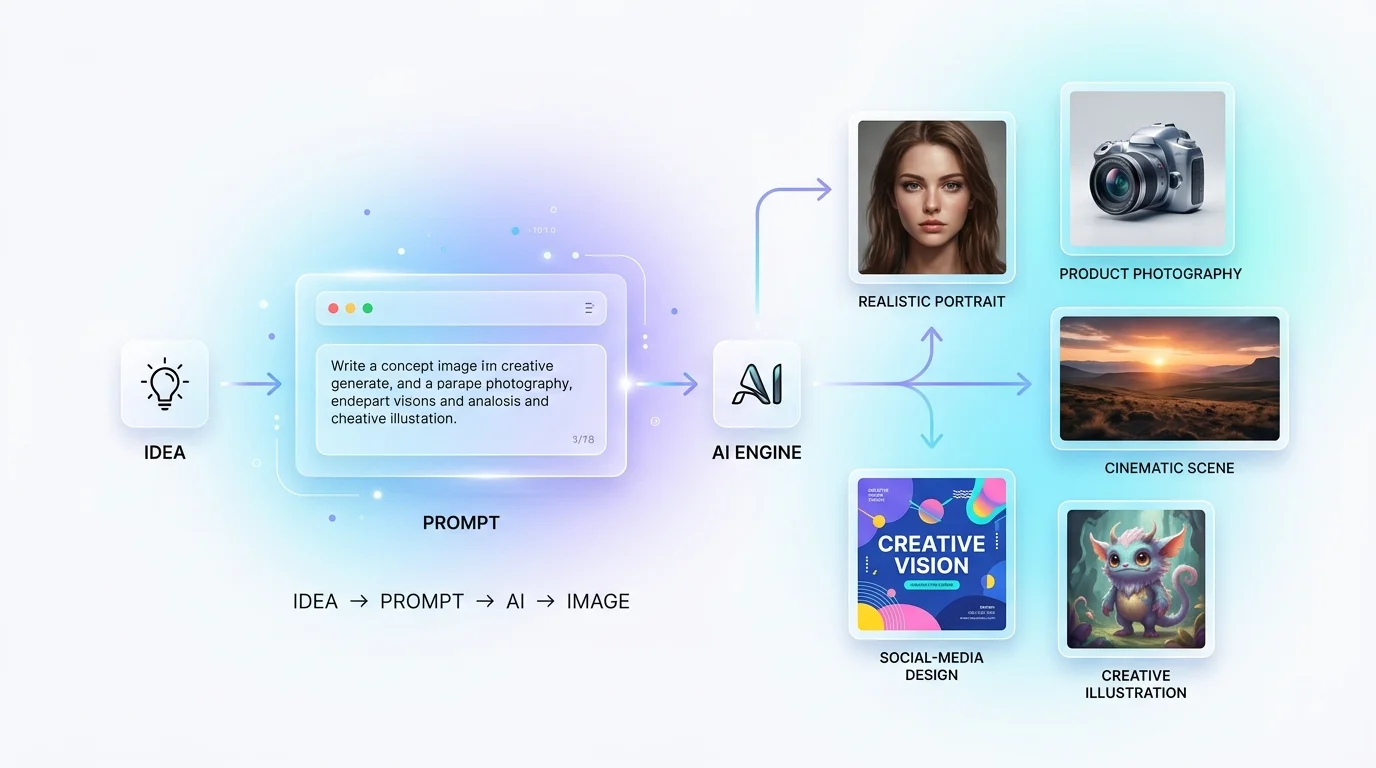
How to Write Effective AI Image Prompts: A Practical Guide
Learn how to write effective prompts for AI image generation using ChatGPT, Gemini/Nano Banana, Midjourney, Canva AI, and other AI tools. This practical guide covers prompt structure, real-world examples, image editing, reference images, and tips for getting better results from AI image-generation tools.
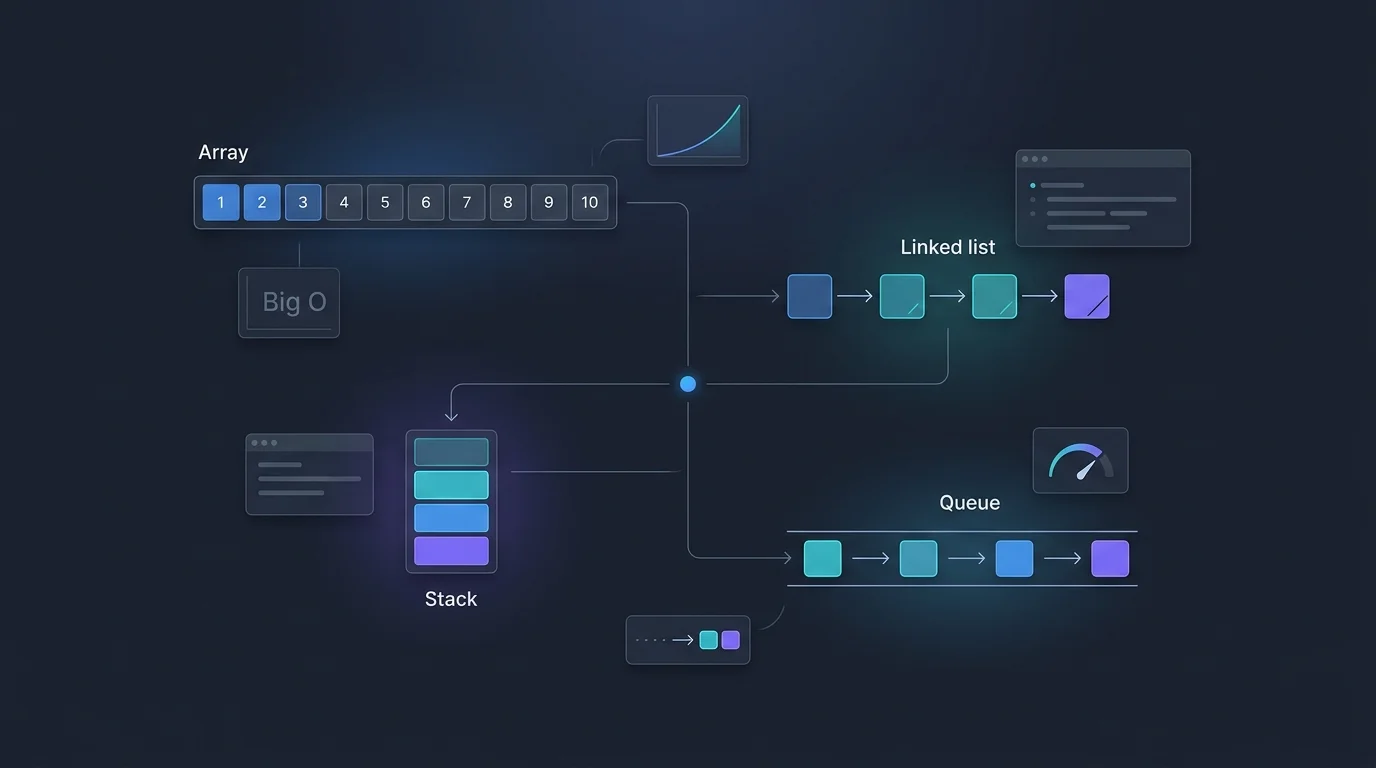
Data Structures and Algorithms: A Beginner's Journey — Part 1
Before solving harder programming problems, you need to understand how information is stored and handled. Start the DSA journey with arrays, linked lists, stacks, queues, and the simple idea behind Big O.
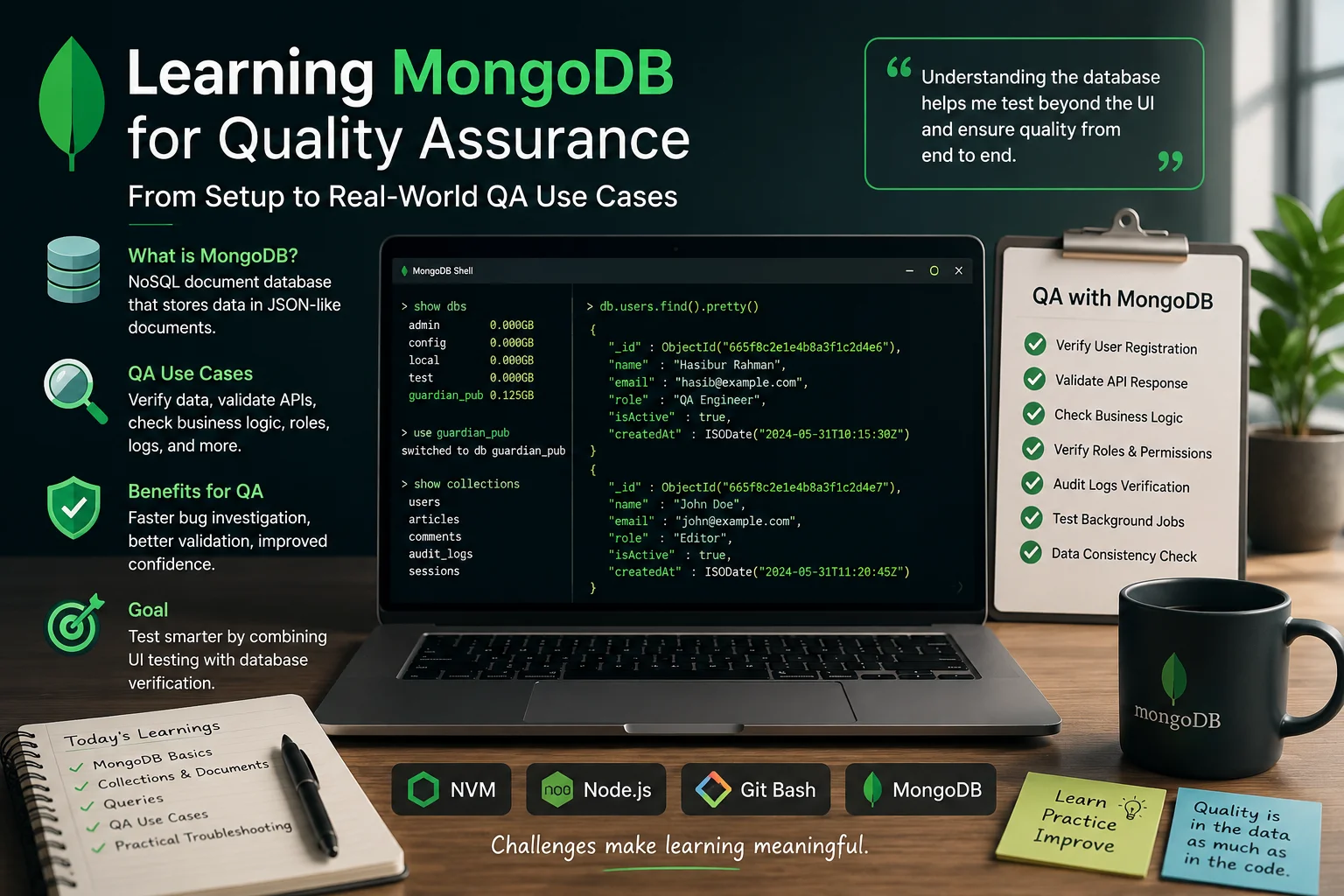
How a QA Engineer Uses Direct Database Checks to Catch Bugs the UI Hides
The UI lies. Learn how QA engineers use MongoDB Compass to bypass the frontend, query the database directly, and catch critical security and logic bugs that the screen will never show you.
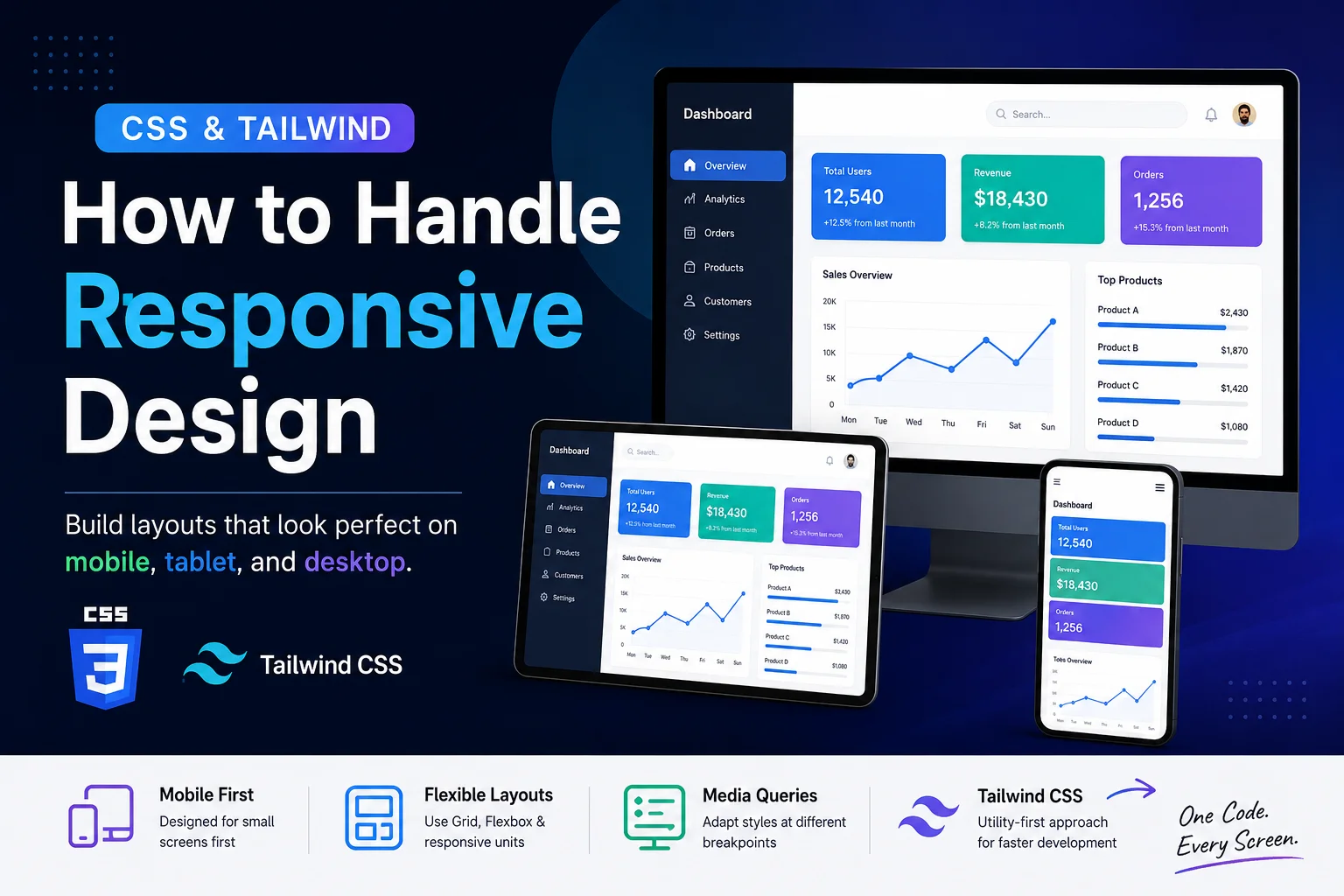
How to Handle Responsive Design in CSS and Tailwind
Learn how to build fully responsive websites using CSS media queries and Tailwind CSS breakpoints. This guide covers real screen sizes, practical examples, and copy-paste code snippets to help you create layouts that work perfectly on mobile, tablet, and desktop devices.
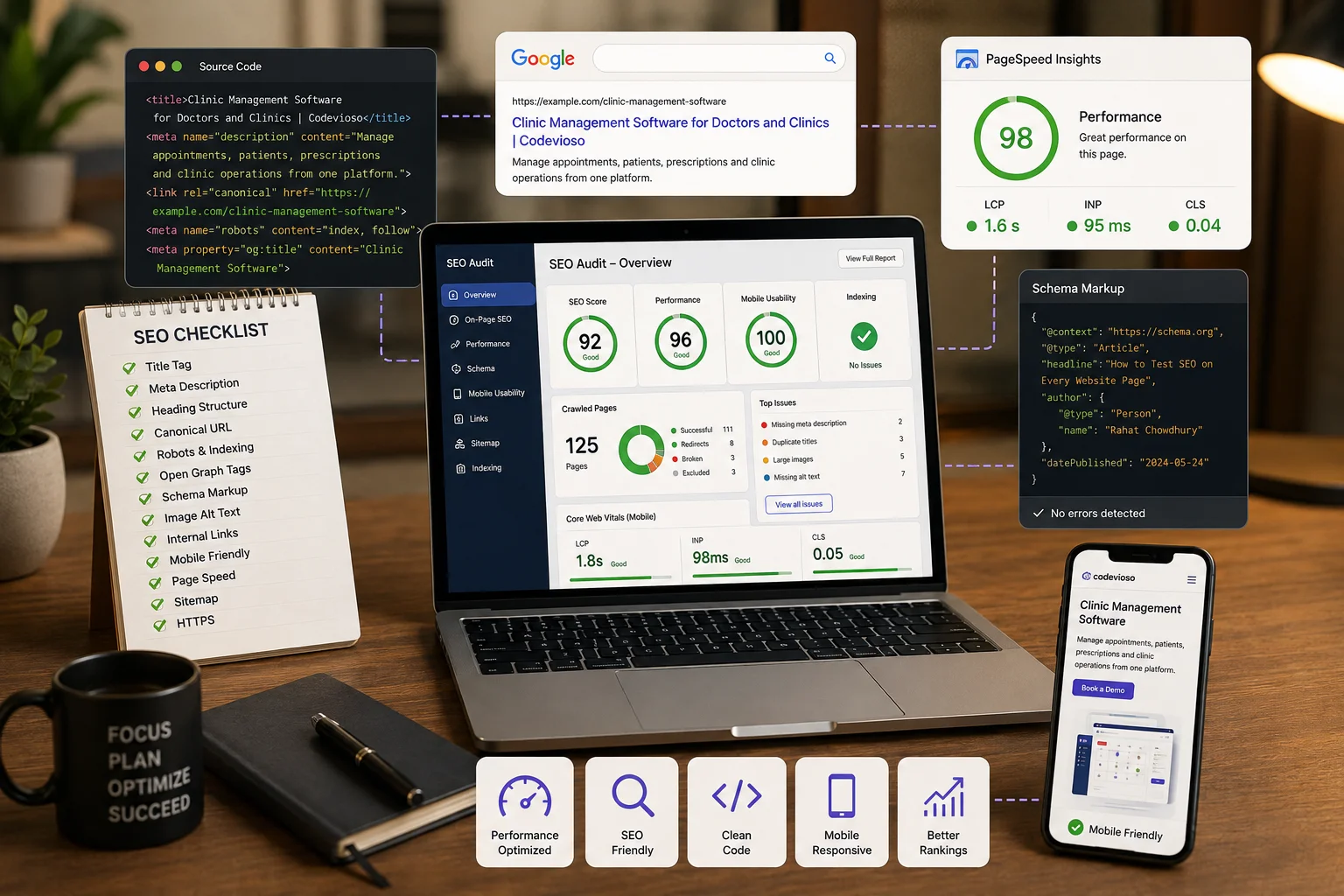
How to Test SEO Meta Information Across Every Page of a Website
Learn how to test SEO across every important page of a website, including meta titles, descriptions, canonical URLs, indexing rules, structured data, social previews, mobile usability, performance, sitemaps, and Google Search Console.
No posts in this category yet.